Overview
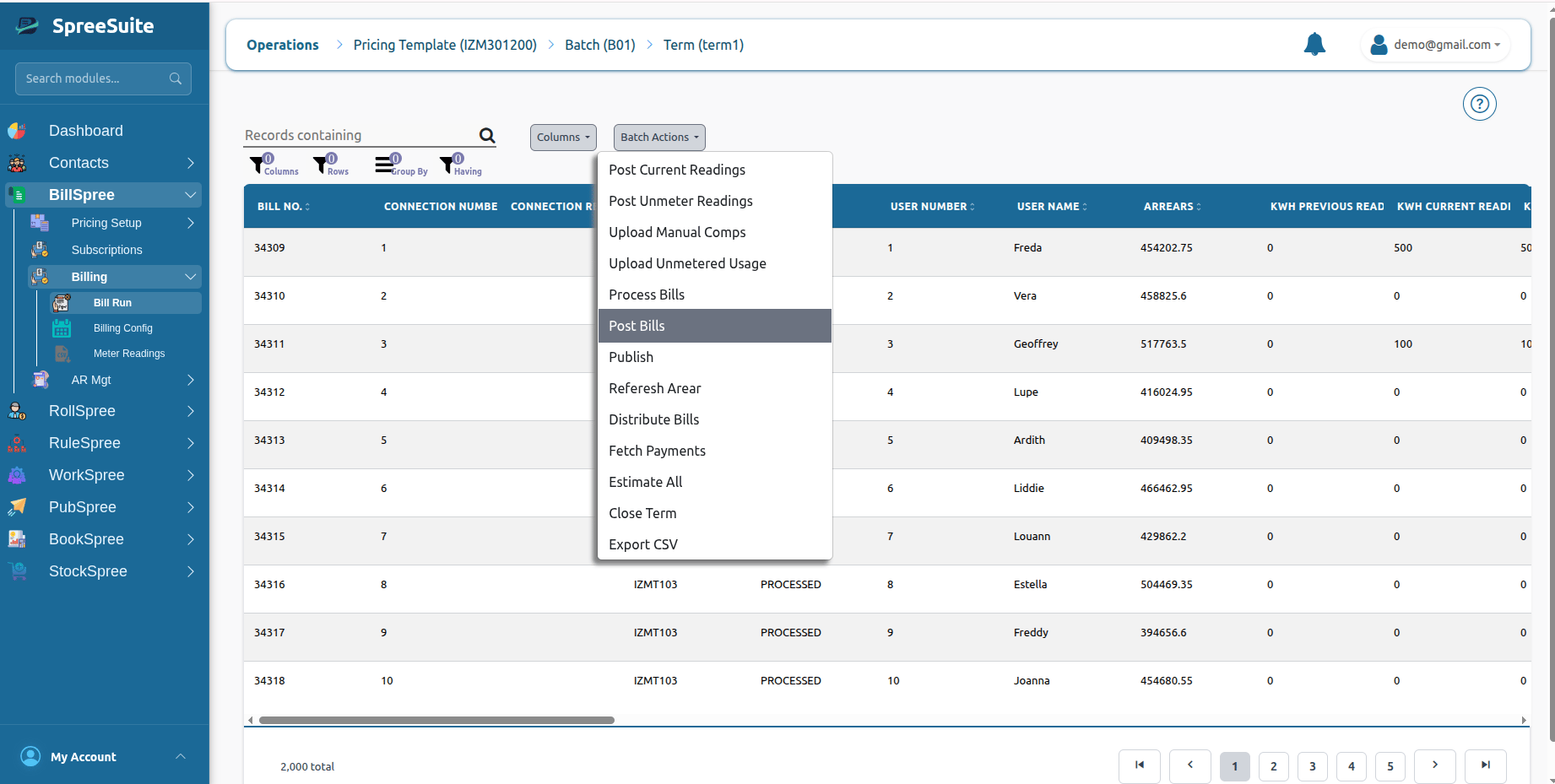
Post Bills is the stage where processed billing data is converted into final, official bills. At this point, all calculations have already been completed during bill processing. Posting is the step that finalizes these results and makes them financially official within the system. In simple terms:Post Bills is the “locking and finalization” step where calculated bills become official records.Once posted, bills are considered complete and ready for downstream actions such as publishing, distribution, and accounting reconciliation.
Why Posting Bills Is Important
Bill processing produces calculated results, but those results are still editable and not yet finalized. Posting ensures that:- Billing values are locked
- Financial records are finalized
- Accounting entries are generated
- No further changes occur without adjustments
- Bills become system-of-record entries
What Happens During Post Bills
During posting, the system takes processed billing records and performs finalization steps to make them official. This includes:- Locking calculated values
- Creating final bill records
- Generating accounting journal entries
- Validating completeness of billing data
- Marking bills as posted
Core Activities
1. Finalize Bill Calculations
The system verifies that all billing computations are complete and consistent. This includes:- Service charges
- Usage calculations
- Taxes
- Discounts
- Manual components
- Adjustments
2. Generate Accounting Entries
Once finalized, the system creates accounting entries to reflect financial impact.Examples:
- Receivable entries
- Tax liabilities
- Adjustment postings
3. Lock Calculated Values
All bill values are locked to prevent further modification. Once locked:- Charges cannot be changed
- Usage cannot be updated
- Pricing rules cannot be re-applied
4. Create Official Bill Records
The system creates final bill records that become the official source of truth. These records include:- Final amount
- Breakdown of charges
- Tax details
- Customer and service information
- Term association
Posting Workflow
The posting process follows a controlled sequence:Example Scenario
Before Posting (Processed Bill)
At this stage, values are still in processed state and can be adjusted.
After Posting (Final Bill)
After posting:
- Values are locked
- Bill becomes official
- Accounting entries are created
Bill Status Lifecycle
After posting, bill status typically becomes:- It becomes a permanent financial record
- It is eligible for publishing
- It can be distributed to customers
How to Post Bills
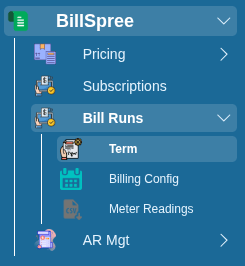
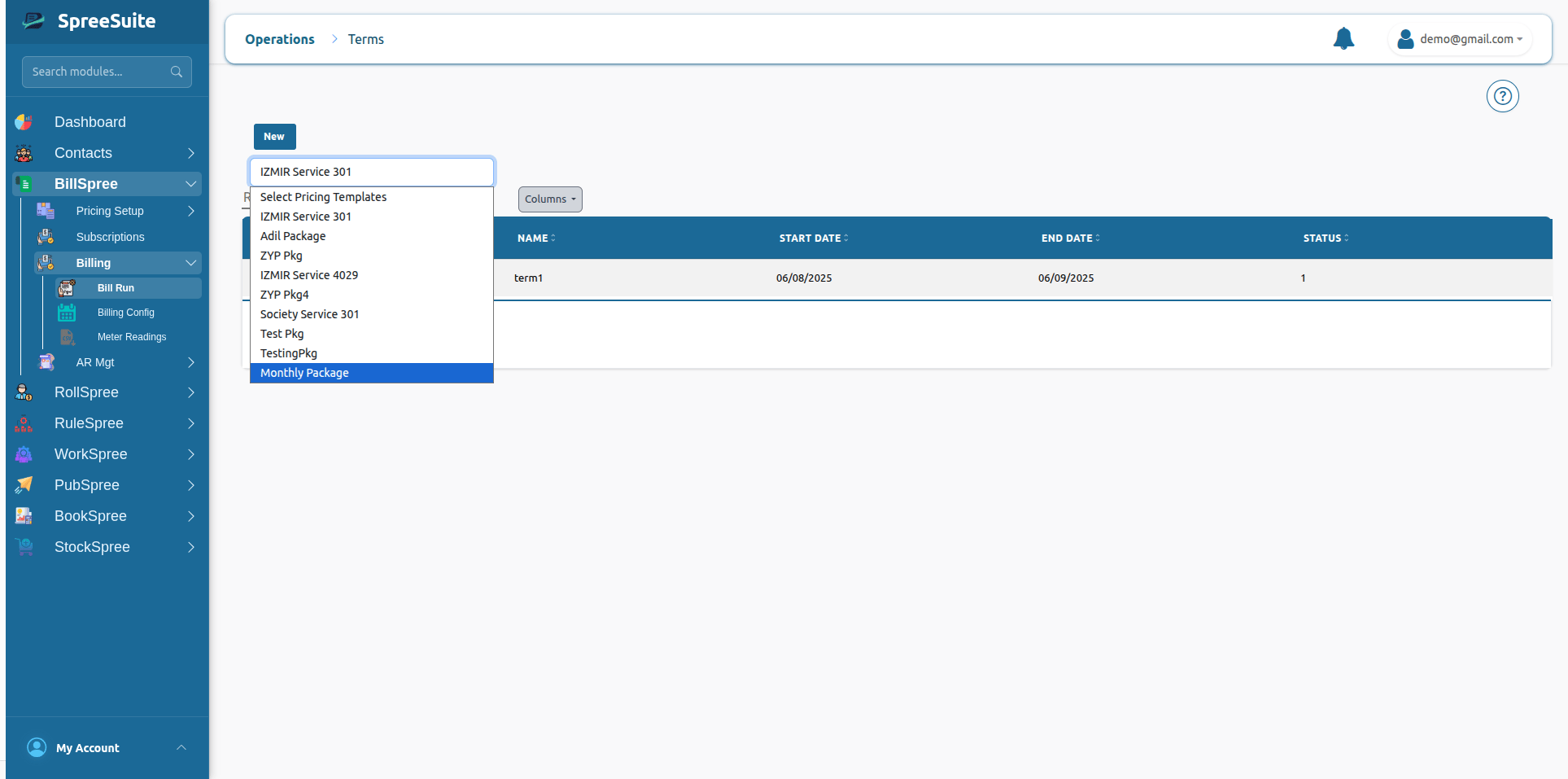
1-Go to BillSpree →Bill Runs →Term